

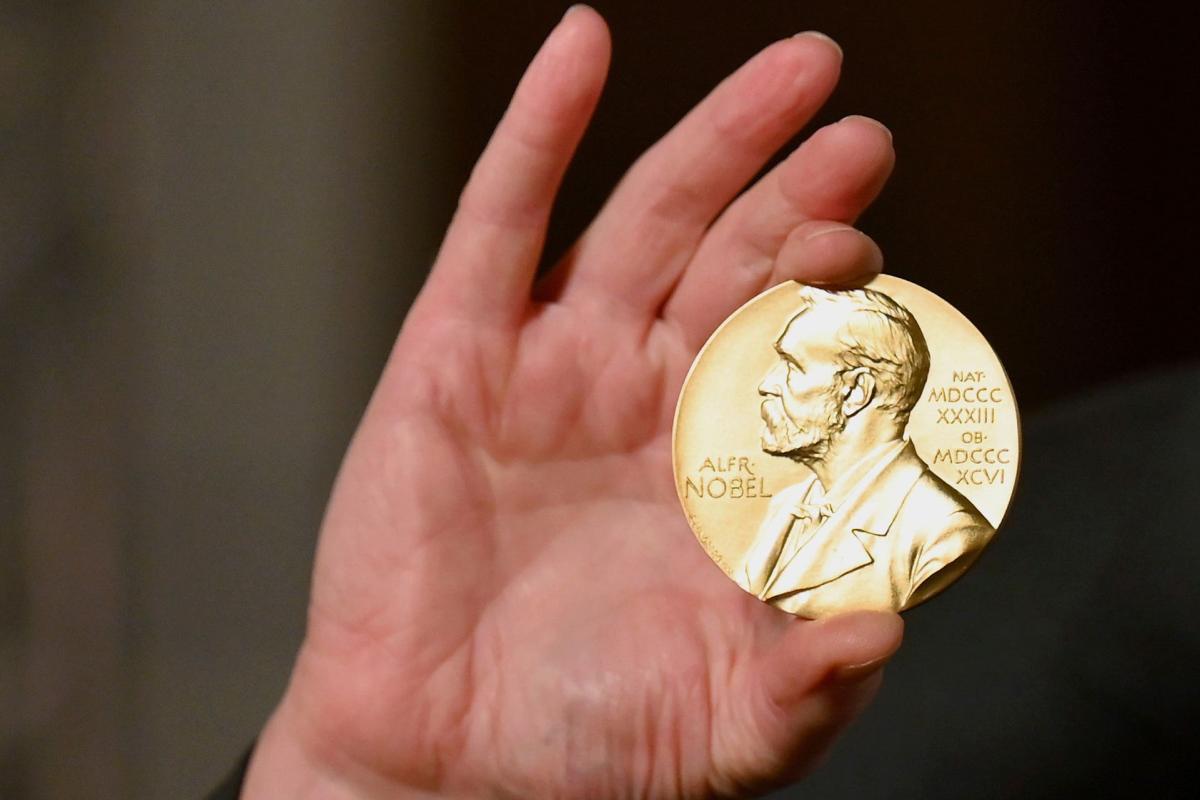

The Nobel Prize in medicine has been awarded to three scientists working on the mechanisms the brain uses to switch on, or off, the activity of individual nerve cells.
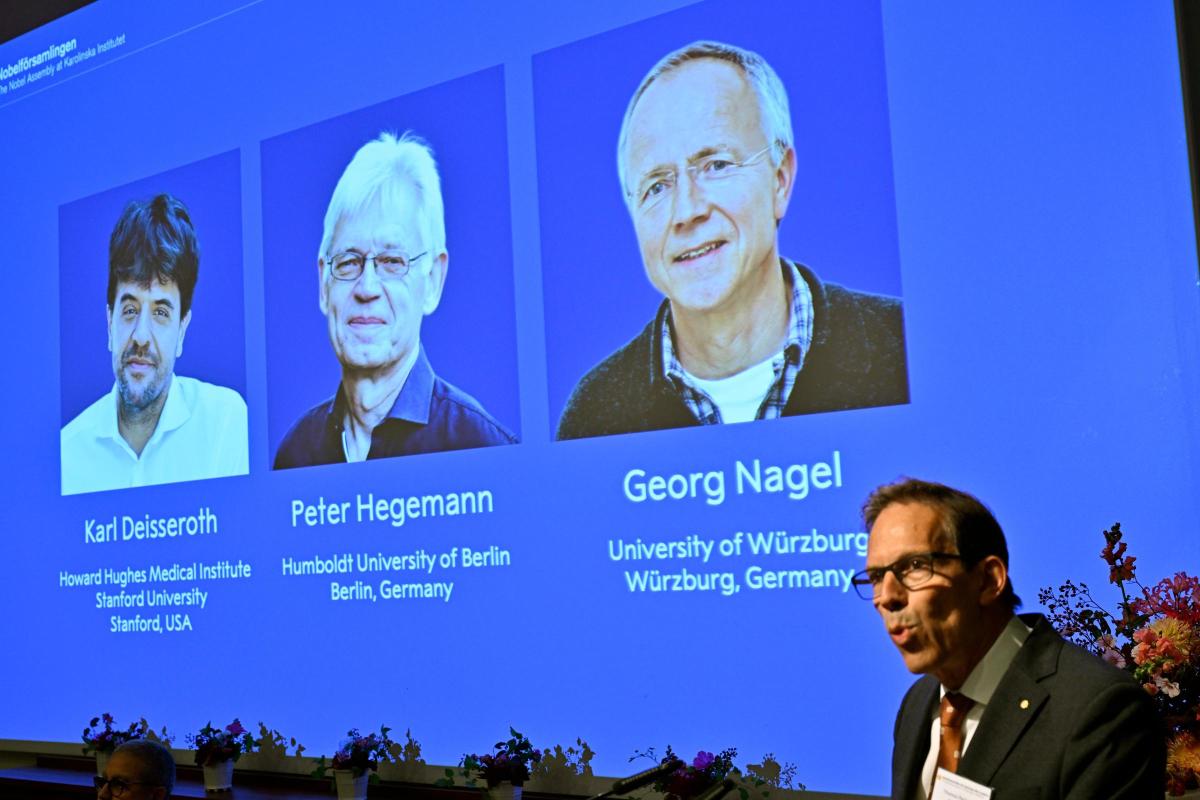
Karl Deisseroth, 54, Peter Hegemann, 71, and Georg Nagel, 73, have carried out research into light-gated ion channels and optogenetics.
The Nobel Assembly lauded their work, writing on X that the method “is now being used in laboratories around the world to reveal the brain’s mysteries”.
BREAKING NEWSThe 2026 #NobelPrize in Physiology or Medicine has been awarded to Karl Deisseroth, Peter Hegemann and Georg Nagel “for their discoveries concerning light-gated ion channels and optogenetics.” pic.twitter.com/pkDDEBWtkz
— The Nobel Prize (@NobelPrize) October 5, 2026
The assembly said Mr Deisseroth is based at Stanford University in California, while Mr Hegemann is at Humboldt University in Berlin and Mr Nagel at the University of Wurzburg, also in Germany.
Mr Deisseroth, a self-described night owl, said he was up late in his Northern California home working on papers and emailing his students. He had just gone to lie down when he got the call from the Nobel Assembly.
“No real sleep was achieved,” he told the Associated Press in a phone call an hour after the announcement.
He said the next task on his to-do list was to pack school lunches for his children, who were still sound asleep.

“That’s my one obligation I have in the next few hours, to make sure I make their sandwiches,” he said.
Thomas Perlmann, the secretary of the medicine committee, said he was able to reach all three winners on Monday.
Optogenetics opened what the Nobel Assembly called a new era in neuroscience, the discovery of a light-controlled switch to turn on and off nerve cells and circuits in the brain to better learn how it works — to start unravelling the pathways that lead to behaviour and disease.
It started when Mr Hegemann explored how a single-celled type of green algae can swim towards light. He and Mr Nagel discovered a particular protein that, when illuminated by blue light, opens a channel to create an electrical impulse. Putting that protein into other cells makes them light-sensitive.
Mr Deisseroth then worked with the gene that controls that protein to create a light-controlled switch for nerve cells in the brains of living mice.

The prize was announced at the Karolinska Institute in Stockholm, kicking off Nobels week. The prize money this year is 12 million Swedish kronor (about £900,000).
Last year, the prize went to three scientists researching the immune system.
Monday’s medicine prize is followed by the physics prize on Tuesday, chemistry on Wednesday and literature on Thursday.
After Friday’s peace prize is awarded, the Nobel Memorial Prize in Economic Sciences will be announced on October 12.


Share